The sales agent’s 2026 reset: What to review, what to set, what to drop
Planning your sales year? This guide helps real estate agents review last year, set realistic 2026 goals and build habits that actually stick. Free goal planner included.
January has a funny energy in real estate.
You come back from the break with good intentions, a fresh diary, and a quiet hope that this year will feel more under control than the last.
Fast forward a few weeks and it’s back to late nights, half-finished follow-ups and deals that “almost” happened.
So instead of another vague New Year resolution, this is a proper reset.
Not a useless and confusing motivational poster...

A reset you can actually stick to.
Why most sales goals don’t survive February
Most sales goals fail for boring reasons.
Not dramatic ones.
They usually sound like:
- “List more properties”
- “Win better listings”
- “Do more prospecting”
All fine ideas…
None of them tell you what to do on a Tuesday at 3pm when your phone stops ringing.
It’s a bit like saying you want to get fit without deciding whether that means walking, lifting weights, or just cancelling Uber Eats one night a week.
Goals only work when they connect to actions you repeat.
The boring, unsexy stuff.
Before you set 2026 goals, review this first
Before you write a single goal for 2026, look backwards. Just briefly.
Ask yourself:
- Where did my listings actually come from last year?
- Which follow-ups slipped because I was “busy”?
- Where did deals stall for no obvious reason?
If you need a starting point, pull up last year’s listings and sort them by source.
You will probably spot patterns you forgot existed.
If you’ve not reviewed your pipeline setup in a while, this is a good time to do it.
We have a handy guide on setting up your sales pipeline before a break that applies just as well into the new year.
The three goal types every sales agent needs in 2026
If everything is a priority, nothing is.
For 2026, focus on three types of goals only.
1. Pipeline goals (the inputs)
These are the actions that create future goals.
Examples:
- Appraisals booked per month
- New contacts added to your database
- Vendor follow-ups completed weekly
If your pipeline is thin, revenue goals are just wishful thinking.
2. Conversion goals (the reality checks)
This is where honesty helps.
Examples:
- Appraisal to listing conversion
- Enquiry to inspection
- Inspection to offer
You don’t need perfect numbers.
You just need to know where things usually drop off.
If you’ve never looked at these before, start simple.
One conversion metric is better than none.
3. Time goals (the sanity saver)
This one is underrated.
Ask yourself:
- How much of my week is client facing?
- How much is admin I could tighten up?
- Where does my time leak?
Think of time goals like a budget.
You wouldn’t spend money blindly, so why do it with your hours.
The 2026 sales agent goal-setting checklist
Save this. Screenshot it. Come back to it mid-year when things get messy.
By the end of January, I should be able to say yes to most of these:
- I know my top three lead sources
- I have a weekly follow-up rhythm I actually stick to
- I can see my active pipeline without guessing
- My database is clean enough to trust
- My goals are reviewed weekly, not once a year
If you can’t tick a few of these, that is not failure. It’s clarity.
Turning goals into habits (this is where it usually falls apart)
Goals don’t fail. Systems do.
And by that, I mean is this: you can have the best goal in the world, but if you don’t have something you do every single week that nudges you toward it, you’ll forget it.
That’s not laziness. That’s human wiring.
Here’s a simple rule that works better than most: pick actions you already do and tie your goal to them.
Don’t invent a new habit from scratch if you can anchor it to an existing one.
For example:
- Check your pipeline every Friday before you log off
- Spend 15 minutes on database clean up every Monday morning
- Take 10 minutes after lunch to clear out overdue tasks
If you want a fun read that explains why this works, check out Atomic Habits by James Clear.
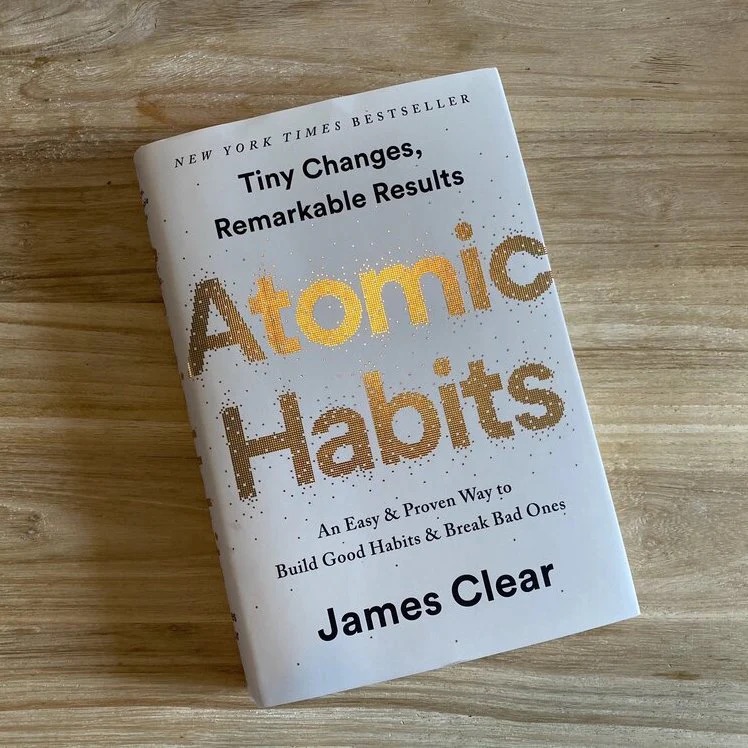
It isn’t a sales book. It’s not about real estate.
It’s about how tiny actions repeated over time become the thing you actually do instead of the thing you only intend to do.
A simple 2026 goal planner you can actually use
To make this easier, we’ve pulled everything above into a 2026 Sales Agent Goal Planner.
It includes:
- Space for three pipeline goals
- One or two conversion focus areas
- Weekly actions you can repeat
- A quarterly review section (short on purpose)
Download the 2026 Sales Agent Goal Planner.
Print it. Stick it on your desk. Or ignore it for three months and come back to it later. That happens too.
Final thought before the year runs away from you
You don’t need bigger goals.
You need clearer ones.
2026 doesn’t have to be louder, faster or more intense.
It just needs to be intentional.
A little more control. Fewer “I’ll get to that later” moments.
And if you forget everything else, remember this: the best sales years usually look boring from the outside.
Consistent follow-up. Clean data. Fewer surprises.

see more blogs
Related content